“Communication is not always straightforward. Everyone, at some time or another, makes assumptions based on messages communicated through body language and facial expressions” (Laureate, 2011).
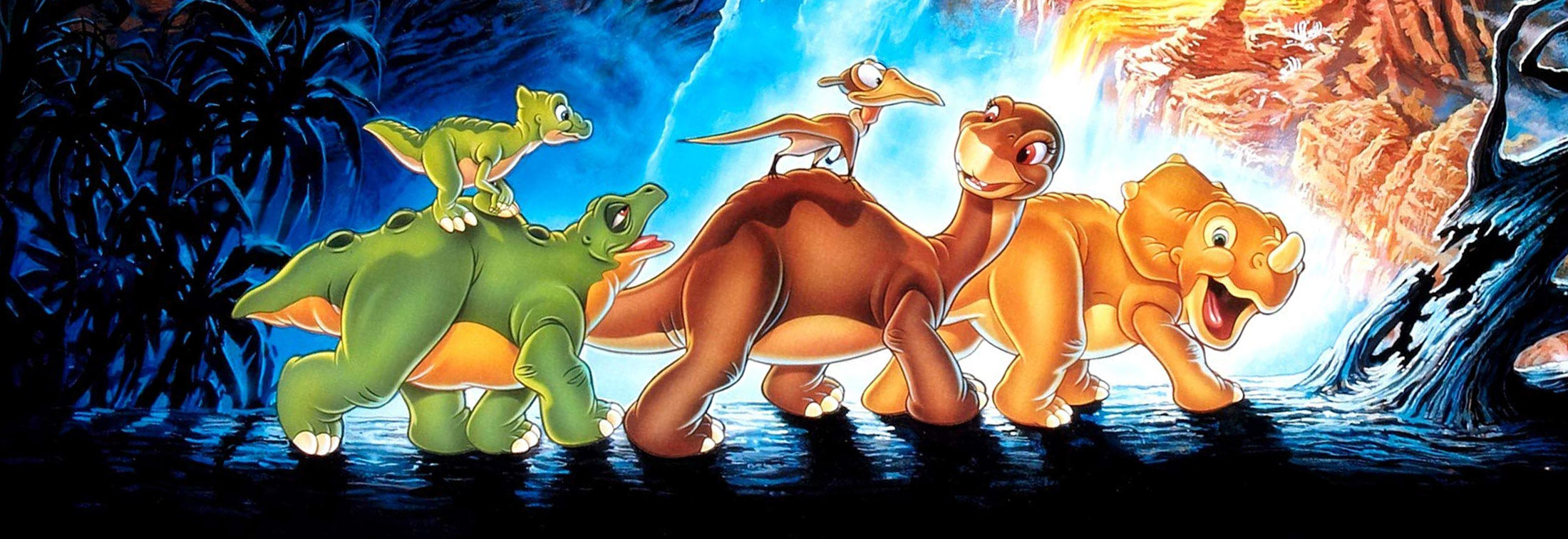
For this blog, I chose to watch, in silence, a cartoon clip of The Land Before Time. The opening scene starts of with a three horned dinosaur and a longneck dinosaur climbing a hill. At the top, the three horn appeared to have a “stink” and prissy attitude as if she was better than the other dinosaur. She left him behind as he struggled to climb to the top. She seemed to be very mean and bossy towards him. The longneck seemed more positive and optimistic than the three horn. He smiled more and seemed more cautious than the three horned dinosaur as well.
The characters relationship based on the ways in which they communicated nonverbally appeared as if these two weren’t friends at first, but during the show it seemed like they were friends but disagreed with each other often. Based on nonverbal communication, I believe that they were feeling and expressing behaviors of confusion, disagreement, bravery, and approval from someone.
After watching the show again with sound, some of my assumptions were correct. Sarah, the three horned dinosaur was very pushy and bossy. She gave off a “I just want to belong and feel accepted” manner. With the other character, Little Foot, he was more well mannered and was always trying to help his friends. Although there were other characters that played a part, these two main characters had an interdependent relationship. What they did affected others and what others did affected them.
I do believe that my assumptions would have been more precise if I watched a show that I knew well. I would’ve been already familiar with the characters and what they stood for. The story told with Sarah and Littlefoot had many nonverbal communcation codes, which included gestures, body movements, facial expressions, and eye behaviors.
This experience helped me learn that most nonverbal communication made between people speak louder than the words that come out of their mouths; and that soome actions do not match the words themselves spoken. It seemed that there was a channel discrepency, where the words and actions don’t match, and nonverbal behaviors are more likely to be believed than verbal ones (p. 26).
References:
Laureate Education (Producer). (2011). Communication Skills: Language, Nonverbal, Listening. Retrieved from https://class.waldenu.edu
O’Hair, D., Wiemann, M., Mullin, D. I., & Teven, J. (2018). Real communication: An introduction (4th. ed). New York: Bedford/St. Martin’s.
The Land Before Time: The Brave Longneck Scheme. Uploaded 2017. Retrieved from https://www.dailymotion.com/video/x5jjhit
 Bridging the Gap in Early Childhood Education